


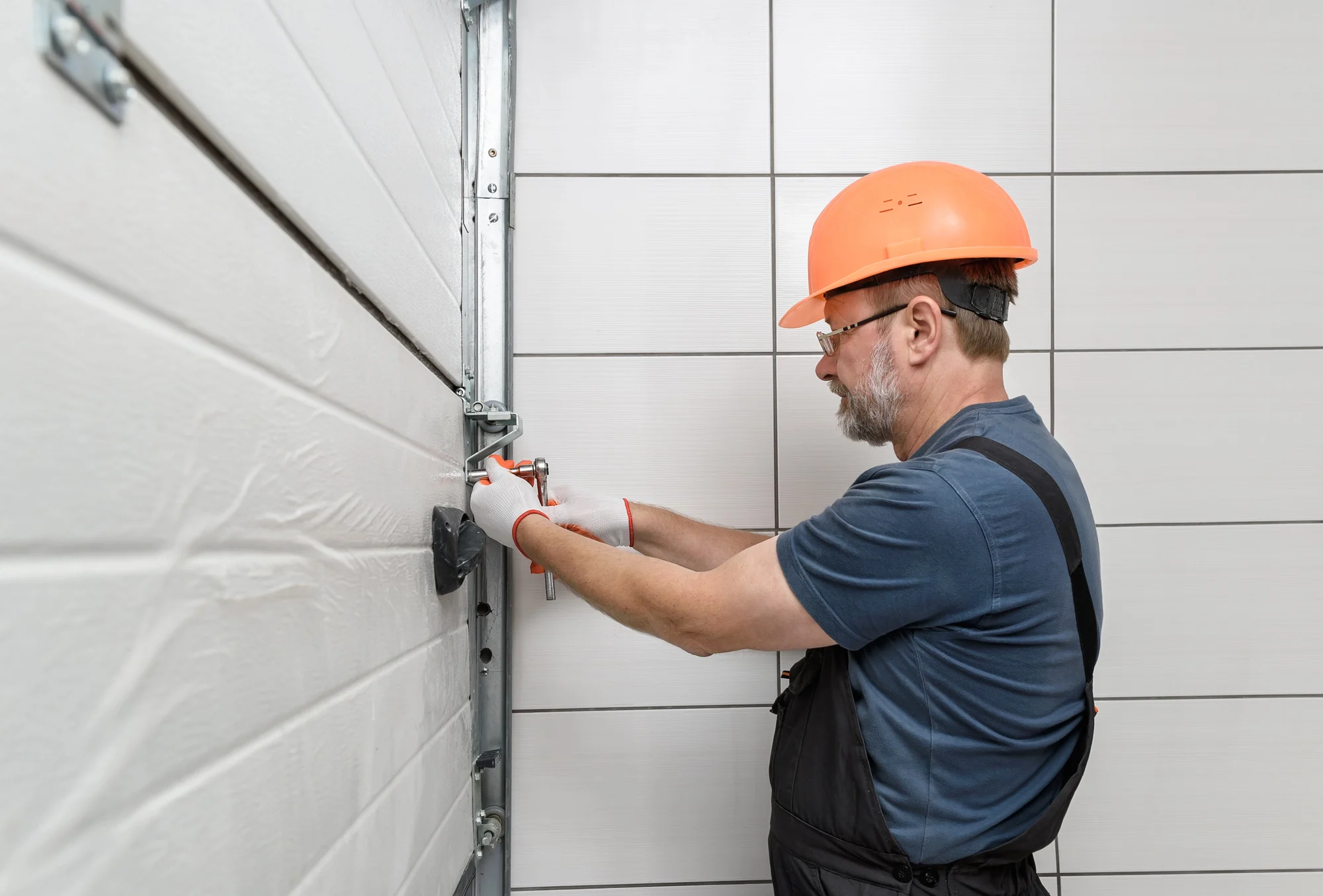
How Often Should a Garage Door Be Professionally Inspected
Key Takeaways
1. Most residential garage doors should have a professional inspection once a year.
2. Annual professional inspections catch worn springs, frayed cables, misaligned tracks, and failing safety sensors before they cause property damage or injuries.
3. Stewart Overhead Door has provided professional garage door inspections and service across southwestern Ontario.
How Often Should a Garage Door Be Professionally Inspected?
The standard recommendation from major opener manufacturers and the Door & Access Systems Manufacturers Association (DASMA) is one professional inspection per year. This frequency catches the wear and minor issues that lead to expensive repairs or safety failures down the road.
However, “once a year” is a baseline. Some garage doors need more frequent professional attention based on age, use patterns, and environment. Here is a more nuanced breakdown for southwestern Ontario homeowners.
| Door Situation | Recommended Inspection Frequency |
|---|---|
| Newer door (under 5 years) | Once per year |
| Average residential door (5 to 15 years) | Once per year |
| Older door (over 15 years) | Every 6 to 8 months |
| High-cycle use (multiple homes, daily lift cycles) | Every 6 months |
| Door exposed to harsh weather or coastal salt | Every 6 months |
| Commercial or agricultural doors | Every 3 to 6 months |
| After a significant impact or storm event | Immediately, regardless of last inspection |
The principle is simple. The harder the door works and the older its components, the more frequently a professional should examine the moving parts and safety systems.
Why Annual Garage Door Professional Inspections Matter
A garage door is the heaviest moving object in most homes. A residential door weighs between 130 and 350 pounds, sometimes more for insulated or custom doors. It cycles up and down thousands of times each year. Springs, cables, tracks, rollers, hinges, and the opener motor all wear with use.
Professional inspections matter for three reasons.
1. Safety
Worn springs can break suddenly and forcefully. Frayed cables can snap under tension. Misaligned tracks can let a door fall. A professional inspection catches these failure modes before they cause damage or injuries.
The U.S. Consumer Product Safety Commission and DASMA report that garage doors are responsible for thousands of injuries every year, with most serious incidents involving safety features or structural components that had failed silently.
2. Cost Avoidance
A small problem caught early costs a fraction of what it costs after it becomes a major failure. A spring near the end of its lifespan can be proactively replaced for a known cost. A spring that breaks suddenly leaves you with an inoperable door, an emergency service call, and possible damage to the opener or panels.
3. Lifespan Extension
Annual inspection and tune-up typically extends the useful life of a residential garage door by several years. Lubricated rollers run quieter and longer. Aligned tracks reduce stress on the opener. Tightened hardware prevents small problems from compounding.
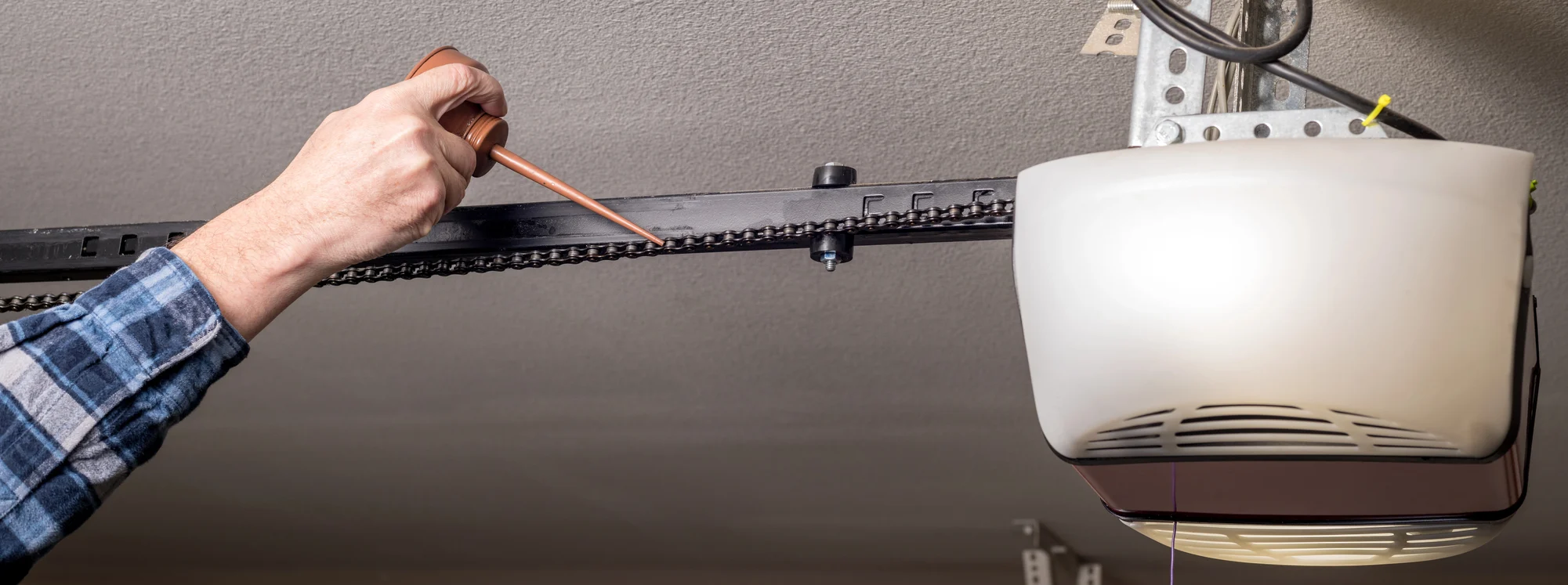
What Does a Garage Door Professional Inspection Include?
A thorough professional inspection covers every major component of the door and opener system. Here is what Stewart Overhead Door technicians check during a standard residential inspection.
Springs
Torsion and extension springs are the most safety-critical components. Inspectors look for visible wear, rust, stretching, gaps in the coils, and signs of fatigue. Springs typically last 10,000 to 20,000 cycles, roughly 7 to 14 years for the average household.
Cables and Hardware
Lifting cables on both sides of the door are inspected for fraying, kinking, or rust. Brackets, mounting plates, and end bearings are checked for tightness and wear.
Rollers and Tracks
Rollers are examined for cracks, missing bearings, or worn surfaces. Tracks are checked for bends, dents, debris, and proper alignment. Misaligned tracks create binding that stresses every other component.
Hinges and Fasteners
Hinges between panels are checked for cracks and proper movement. All visible fasteners are tested for tightness. Loose hardware is a leading cause of premature panel damage.
Door Panels and Weatherstripping
Panels are examined for dents, rust, rot, or damage. Weatherstripping along the bottom, sides, and top is checked for cracks, gaps, or shrinkage.
Opener Motor and Drive System
The opener is tested for smooth operation, proper force settings, and any unusual noises. Belt, chain, or screw drive components are inspected for wear. Battery backup, if present, is tested.
Safety Features
The auto-reverse mechanism is tested using a 2×4 board on the floor. Photo-eye sensors are tested by breaking the beam during a closing cycle. Manual release cords are tested for smooth disengagement.
Balance Check
The opener is disengaged, and the door is manually lifted to the halfway point. A properly balanced door stays in place. An unbalanced door slides up or falls, indicating spring tension issues.
Signs Your Garage Door Needs a Professional Inspection Sooner
Even if your annual inspection is months away, certain symptoms warrant an immediate professional visit.
- Grinding, banging, or unusual noises during operation
- Visible sagging or unevenness when the door is closed
- Slow or jerky movement as the door opens or closes
- Door reverses unexpectedly when nothing is blocking the opening
- Cables visibly fraying or hanging loose
- Gaps in springs (visible separation between coils on torsion springs)
- Door does not stay open when stopped halfway during manual operation
- Recent impact from a vehicle, falling branch, or storm
- Opener motor strains or stalls during normal operation
Any of these conditions indicates a problem that can escalate quickly.
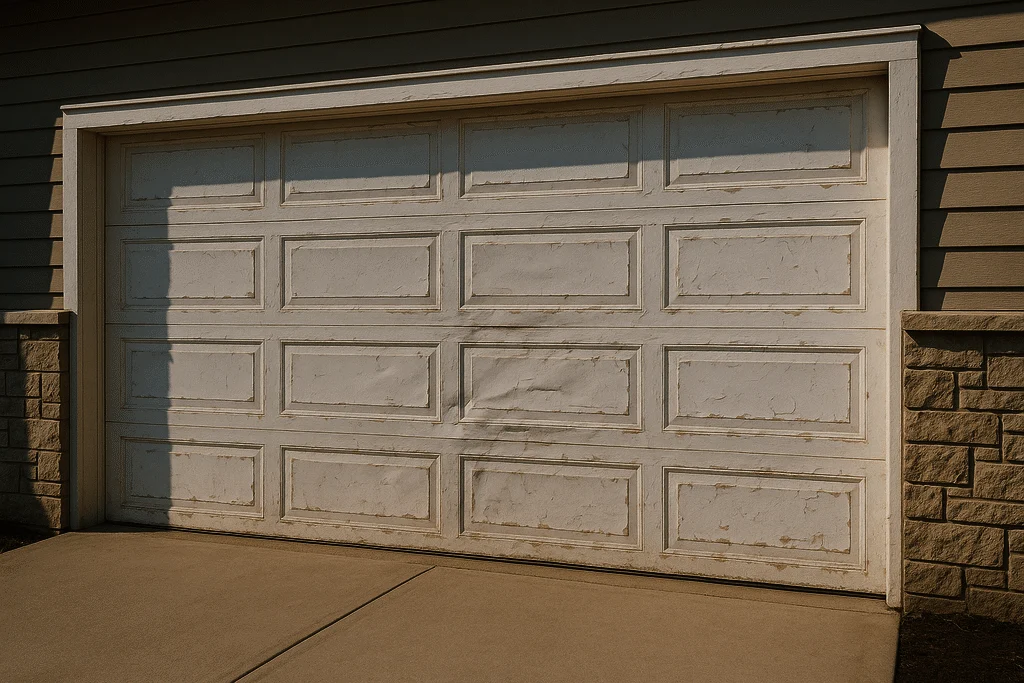
Signs Your Garage Door Needs Professional Maintenance
Why Southwestern Ontario Doors Need Special Attention
Garage doors in southwestern Ontario face a tough climate. Long winters, road salt, freeze-thaw cycles, humid summers, and significant temperature swings all stress metal components, hardware, and seals.
Common climate-related issues include:
- Frozen weatherstripping that tears when the door opens after a deep freeze
- Corroded springs and cables from road salt carried on vehicles and clothing
- Warped wood doors from humidity cycles
- Stiff rollers and bearings in extreme cold
- Cracked plastic components from temperature swings
Stewart Overhead Door technicians often recommend additional seasonal maintenance for homes in London, Sarnia, Woodstock, Stratford, Chatham, and surrounding communities. A pre-winter check and a post-winter check catch climate-driven wear before it causes a breakdown.
Professional Inspection vs. DIY Homeowner Check
There is a clear line between what homeowners should check themselves and what requires a certified technician. Both have a place in a healthy maintenance routine.
| Task | DIY Homeowner | Professional Technician |
|---|---|---|
| Monthly auto-reverse and photo-eye test | Yes | Not needed unless test fails |
| Visual inspection for obvious damage | Yes | Confirmed during annual inspection |
| Lubrication of rollers and hinges | Yes, annually | Included in inspection |
| Tightening loose fasteners | Limited | Yes, every fastener checked |
| Spring inspection or adjustment | No | Yes, high-tension components |
| Cable replacement | No | Yes, requires specialized tools |
| Opener calibration | Limited | Yes, complete adjustment |
| Track realignment | No | Yes |
| Panel replacement | No | Yes |
Springs and cables are the most important DIY exclusions. Both are under high tension and can cause serious injury when handled incorrectly. Every year, emergency rooms in Canada and the United States treat people who have attempted DIY spring repairs and were injured by sudden component release.
What to Expect From a Stewart Overhead Door Inspection
When you book a professional inspection with Stewart Overhead Door, a certified Raynor Door Authority technician arrives at the scheduled time, performs a complete inspection of every component listed above, and provides a written report.
If repairs or adjustments are recommended, the technician explains the issue, the urgency, and the cost in plain language. Many minor adjustments and lubrication tasks are completed during the inspection visit itself.
For larger repairs, you receive a transparent quote and the option to schedule the work at your convenience. Emergency safety issues are addressed on the spot whenever possible.
The inspection typically takes 30 to 60 minutes for a standard residential door. Larger or more complex systems take longer.
How Stewart Overhead Door Keeps Southwestern Ontario Doors Safe
For homeowners in southwestern Ontario, annual professional inspection is the most cost-effective way to extend the life of your garage door and prevent dangerous failures.
We offer:
- Comprehensive professional inspections for residential, commercial, industrial, and agricultural doors
- 24/7 emergency service for urgent repairs, including weekends and holidays
- Certified technicians trained on every major brand and component
- Premium products from Raynor, Northland, and other top manufacturers
- Transparent pricing with no surprise fees
What You Should Do Next
A professional garage door inspection is one of the simplest, most cost-effective home maintenance investments. It protects your family, extends the life of your door, and prevents emergency repairs.
- Note when your last professional inspection was done. If it has been more than a year, schedule one now.
- Watch for warning signs between inspections, including unusual noises, slow operation, or visible wear on springs and cables.
- Contact Stewart Overhead Door to schedule your professional inspection.