


How Long Does Garage Door Installation Take?
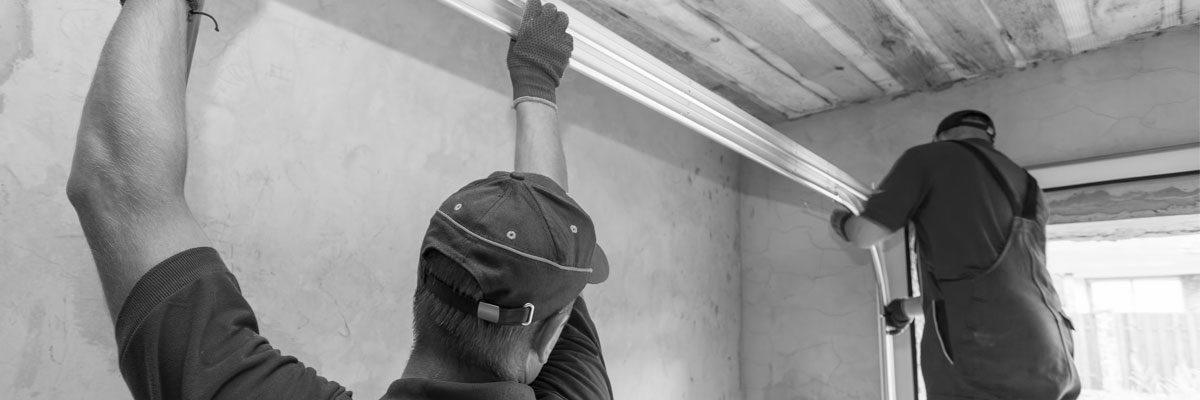
A standard residential garage door installation usually takes 4-6 hours when done by certified professionals. Commercial installations require 6-8 hours, while custom doors may take 8-10 hours. Door type, property conditions, and whether you’re replacing an existing door all affect the timeline.
Key Takeaways
- The total amount of time for a garage door installation heavily varies based on door type, special features, and opener integration.
- A garage door can be successfully installed anywhere between 4 to 10 hours depending on the complexity of the door.
- Stewart Overhead Doors performs professional garage door installation for commercial and residential properties.
How Long Does Garage Door Installation Take by Door Type?
The type of garage door you choose greatly affects installation time. Below are ballpark estimates based on previous projects we’ve completed.
Residential Steel Doors: 4-6 Hours
This is the most common garage door installation timeframe. It includes:
- Removing the existing door (if needed)
- Installing tracks and hardware
- Assembling and hanging door sections
- Installing the spring system
- Basic opener installation and programming
- Safety testing and adjustments
Commercial Rolling Doors: 6-8 Hours
Commercial installations take longer because of:
- More complex track systems
- Heavier materials need extra personnel
- More rigorous safety mechanism installations
- Fire-rated component integration (when required)
- More extensive testing procedures
Custom Wood Carriage Doors: 8-10 Hours
These premium doors require extra time for:
- Precise alignment of decorative elements
- Hand-finishing components
- Installing custom hardware
- Additional weatherproofing
- More detailed adjustments
What Factors Can Change Garage Door Installation Time?
While the estimates above provide a general guideline, several factors can lengthen or shorten your installation time:
1. New Installation vs. Replacement
Replacing an existing door is usually faster than a first-time installation because the opening is already framed, electrical connections for openers may be in place, and mounting points are often predetermined.
New installations in buildings need extra preparation, adding 1-2 hours.
2. Opener Integration
Adding an automatic opener adds time:
- Basic opener installation: 1-2 extra hours
- Smart home integration: 30-60 extra minutes
- Battery backup systems: 15-30 extra minutes
Modern pre-assembled components can reduce this time.
3. Property Conditions and Access
The physical environment where your garage door operates matters. For example, limited workspace can slow the process. An older home may need structural adjustments. Narrow driveways or landscaping obstacles can complicate equipment setup.
4. Weather Conditions
Most installations happen inside the garage, but the weather can still affect the process.
Extreme temperatures impact material handling, especially steel doors. High humidity affects electronic component installation. Severe weather may pause work for safety.
5. Special Features and Customizations
Extra features or customizations to your garage door system can add time, such as extra insulation, windows, or decorative hardware, custom paint or finishes, or extreme weather reinforcements.
What Are the Steps in Professional Garage Door Installation?
Knowing the installation steps helps explain the time needed:
1. Preparation
- Protecting the surrounding area
- Removing the existing door (if applicable)
- Inspecting the opening and framing
- Verifying measurements
2. Track and Hardware Installation
- Assembling horizontal tracks
- Installing vertical tracks
- Securing hardware to the walls and the ceiling
- Ensuring proper alignment
3. Door Section Assembly
- Laying out the door panels in order
- Installing hinges, rollers, and brackets
- Lifting and securing panels one by one
- Connecting sections properly
4. Spring System Installation
- Installing the spring assembly
- Adjusting tension precisely
- Securing safety cables (for extension springs)
- Testing the balance system
5. Opener Installation
- Mounting the motor unit
- Installing the rail assembly
- Connecting to power
- Programming remotes and keypads
- Setting force and travel limits
6. Safety Testing and Adjustments
- Testing auto-reverse mechanisms
- Checking the balance and smooth operation
- Making final adjustments to tracks and hardware
- Verifying weather seals
Why Is Professional Garage Door Installation Faster and Safer?
While DIY guides exist, professional installation saves time and improves safety. When doing post-installation safety testing, professionals perform these tests efficiently and thoroughly. Professional installers also use purpose-built tools that speed up the process. Experienced professionals reduce the occurrence of errors, and if they arise, they can quickly fix these issues, which might stall a DIY project for hours or days.
What Installers Check Before They Start
Before any hardware goes up, a good installer does a walkthrough. It takes 10 to 15 minutes and shapes everything that comes after.
Here’s what they’re looking at:
- Clearances – headroom above the opening, side room on both walls, and backroom depth into the garage. These determine which track configuration and spring system will work.
- Framing condition – the door attaches to the frame, so rotted, warped, or out-of-square wood gets flagged before work starts. In older Ontario homes, this is where surprises tend to show up.
- Electrical access – there needs to be a working outlet near the ceiling for the opener motor.
- Floor level – an uneven floor affects how well the weather seal closes, which matters through a Canadian winter.
- Existing hardware (replacements only) – springs and components from the old door are assessed. Some may carry over, some won’t. You’ll know upfront.
You don’t need to measure or inspect any of this yourself, but knowing the list helps you prepare. Clear the garage of vehicles, bikes, and storage before the installer arrives. If you know the framing is old or the ceiling is low, mention it when you book. And if you don’t have an outlet near the opener location, flag that ahead of time so an electrician can sort it out before installation day.
The more your installer knows going in, the smoother the job runs.
Get Your Garage Door Installed Fast and Hassle-Free
Installing a garage door can take anywhere from 4 to 10 hours, depending on the type and complexity, and delays often come from property conditions, opener setups, or custom features. A professional installation ensures your door works safely and efficiently, saving you time and stress.
At Stewart Overhead Door, our certified technicians handle every step, from prep and track installation to spring setup and safety testing, so your door operates smoothly from day one. With over 60 years of experience in Ontario, we deliver precise, reliable results for residential, commercial, and custom doors.
Next steps to get started:
- Clear your garage and review any special conditions like low ceilings or electrical needs.
- Decide on the door type and features you want so we can provide an accurate timeline.
- Schedule your professional installation with Stewart Overhead Door and enjoy a safe, properly installed garage door.
Call us today to secure your installation date and experience hassle-free service.
Whether you’re installing a standard residential door or a complex commercial system, our team provides reliable timelines and excellent results. Contact us today to schedule your professional garage door installation assessment.