


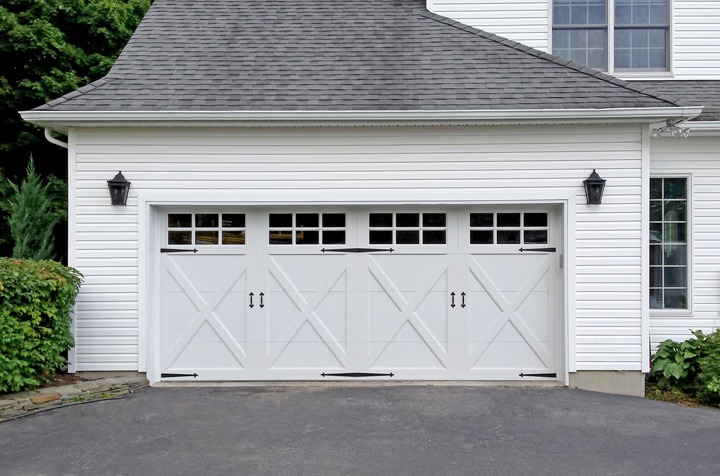
Insulate Your Garage Door Before It’s Too Late
Key Takeaways
1. Garage door insulation is a layer of material built into or added to the door that slows heat moving in and out of your garage.
2. An insulated door keeps your garage comfortable year-round, cuts outside noise, protects stored items, and can lower your energy bills.
3. Stewart Overhead Door seals air leaks through its residential garage door repair service and replaces drafty doors with insulated models.
Why Insulating Your Garage Door Pays Off
Your garage door is often the largest opening in your home. When it has no insulation, heat moves through it easily in both directions.
Lower Heating, Cooling Costs
In winter, an uninsulated door lets cold air flood the garage. If your garage is attached, that cold pulls heat through the shared wall and the door into your house, so your furnace works harder.
In summer, the same thing happens in reverse. Heat builds up in the garage and pushes into the rooms next to it.
Garage Stays Usable Every Season
A well-insulated garage stays closer to a comfortable temperature year-round. That matters if you use it as a workshop, home gym, laundry area, or hobby space.
No more freezing hands in January or sweating through a project in July.
Insulation Cuts Outside Noise, Door Rattle
Insulation absorbs sound from traffic, neighbours, and weather. Insulated doors also tend to rattle less when they open and close, since the added layer stiffens the panels.
Stored Items Stay Protected From Temperature Swings
Paint, cleaning products, batteries, electronics, and some foods can be damaged by freezing or extreme heat. An insulated door helps keep the garage within a safer temperature range, so you can store items there that would otherwise need to live indoors.

Six Decades of Garage Door Expertise
Residential, commercial & agricultural door sales, installation & repair.
Can You Insulate Your Garage Door Yourself?
Some DIY insulation kits are available, but insulating a garage door is a bigger job than it looks. You’ll be working at height, using tools, and handling a door that can weigh a lot.
There’s also a hidden risk. Your door’s springs are set to balance its exact weight, and adding insulation makes the door heavier. A door that’s out of balance can strain your opener, wear out parts early, or close faster than it should.
If you’re not comfortable with this kind of work, hire a professional garage door technician. There are still a few smaller improvements you can safely make yourself, which we cover below.
Not sure whether your door can handle the added weight of insulation? Contact Stewart Overhead Door, and a technician will check your springs and balance and tell you whether a kit or an insulated door makes more sense.
Signs It’s Time to Call a Garage Door Professional
Some insulation projects are better left to a trained technician. Call a professional if any of these apply to you.
- Your door is old, damaged, or inefficient. Replacing it with a factory-insulated door is the most effective way to improve your garage’s energy efficiency.
- You’re replacing your garage door opener. This is a good time to have a technician assess your door’s insulation and balance at the same visit.
- You have large gaps around the door. Big air leaks along the sides, top, or bottom often point to worn seals, bent tracks, or an uneven floor that need professional attention.
- The door feels heavier after adding a kit. If the opener strains or the door drops quickly, the springs may need adjusting, which is a job for a technician only.
DIY Ways to Boost Your Garage Door’s Insulation
If you’d like to tackle some of the work yourself, start with these lower-risk fixes.
Replace Worn Weatherstripping, Bottom Seal
Check the edges of your door for cracked, flattened, or missing weatherstripping. Replacing it closes the gaps where most drafts get in.
The bottom seal takes the most wear, since it presses against the floor every time the door closes. If it’s torn or stiff, replace it first.
Install Insulation Kit on Door Panels
DIY kits attach to the inside of the door panels. They’re easier to install than a new insulated door but won’t insulate as well.
Pick a lightweight kit made for your door type. If the door feels heavier or the opener sounds strained afterward, stop using it and have the balance checked.
Seal Small Cracks With Caulk
Use exterior-grade caulk to seal small cracks or gaps in the door frame and around the trim. This helps block drafts and keeps moisture out.
These fixes are often short-term solutions. For lasting comfort and energy savings, a professional residential garage door repair service is the better choice.
Garage Door Insulation Materials Compared
Insulation performance is measured by R-value. The higher the R-value, the better the material resists heat moving through it.
A technician will help you choose the right option for your door. These are the most common materials.
Polystyrene
Polystyrene is a lightweight, affordable foam panel that fits between or behind the door’s frame. It offers good insulation for the cost and is common in both DIY kits and entry-level insulated doors.
Polyurethane
Polyurethane foam is injected between the steel layers of many factory-insulated doors. It bonds to the panels, which adds strength and gives a higher R-value than polystyrene of the same thickness.
Fiberglass
Fiberglass is a traditional insulation material with good thermal performance. It usually comes in batts with a vapour barrier, and it needs to be secured well so it doesn’t sag over time.
Foam Board
Rigid foam board provides excellent insulation and holds its shape. It can cost more than other options and must be cut carefully to fit each panel.
How to Pick Insulation That Fits Your Garage
The right choice depends on how you use your garage and how it connects to your home.
- Attached or detached: an attached garage affects the rooms next to it, so better insulation pays off more.
- Heated or unheated: if you heat the garage, choose a higher R-value so you’re not paying to warm the outdoors.
- How you use the space: a workshop or gym needs more comfort than a garage used only for parking.
- Your door’s age and condition: adding insulation to an old, worn door rarely makes sense when a new insulated door solves several problems at once.
Repair, Seal or Replace? Stewart Overhead Door Sizes the Fix
Insulating your garage door is worth it if you use the space, share a wall with your house, or store things that can’t handle freezing. New seals can stop small drafts, but real comfort and energy savings come from an insulated door that’s balanced for its weight.
We start with the smallest fix that works, from replacing a worn bottom seal to rebalancing springs, and we install a new insulated door only when the old one can’t do the job. As a Raynor Door Authority dealer, we can source an insulated door in the style you want.
What You Should Do Next
- Look for daylight. On a sunny day, close the door, switch off the garage lights, and check for light along the bottom seal, the sides, and between panels.
- Test the balance. This week, with the door fully closed, pull the opener’s release cord, lift the door halfway by hand, and note whether it stays put or drifts.
- Book a technician. Contact Stewart Overhead Door if you see daylight around the edges, the door drifts or feels heavy, or your garage still won’t hold heat, and we’ll fix it.