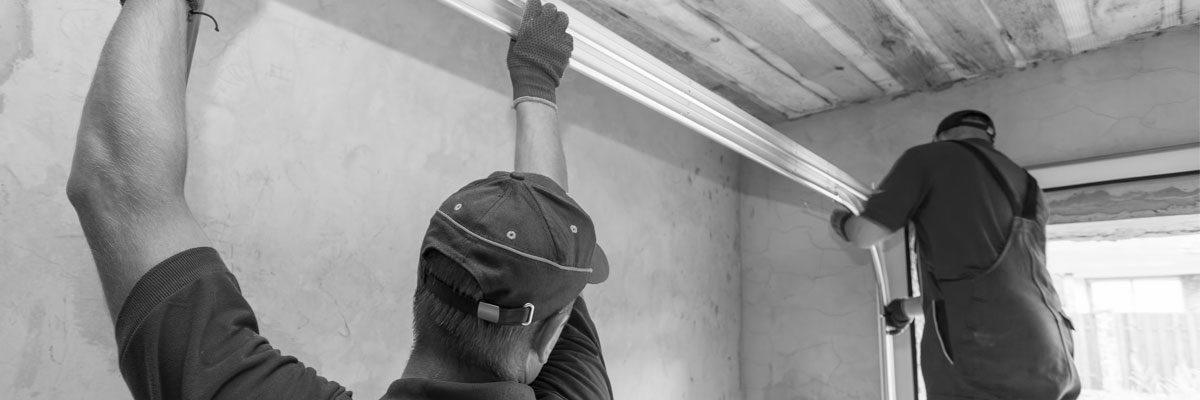

INSTALLATION SERVICES

Whether we’re installing replacement doors, providing new types of doors, or outfitting a new building, Stewart Overhead Door takes pride in delivering exceptional support and technical expertise from your first call through final installation.

Benefits of a New Commercial Garage Door:

  • Enhanced security and safety for employees and property
  • Improved energy efficiency to lower operating costs
  • Reduced maintenance and long-term repair needs


Garage Door installation Services

Residential Garage Door Installation

Residential Garage Door Opener Installation

Sectional Door Repair and Replacement

Commercial and Industrial Garage Door Installation

Full-view Doors for Automotive and Restaurant Installation

Dock and Warehouse Door Installation

Rolling Steel Door Installation

Rolling Grilles and Parking Garage Installation

Rolling Grilles and Parking Garage Installation

Side-Folding Grilles & Retail Security Door Installation

Rolling Fire Door Installation

Counter Shutters Installation

High-Performance Doors Installation

Dock Systems Installation

Door Operators and Controls Installation

24-hour Emergency Services

Garage Door INSTALLATION Services

While every garage door installation differs based on your house, the garage, and your needs, we usually follow these steps.

1. Measure the Opening

  • Pre-installation Measurement: We take accurate measurements of the garage door opening (width, height, headroom, and backroom). The backroom should have enough space to accommodate the door when fully open.

2. Prepare the Workspace

  • Clear the Area: We’ll help make sure the garage is cleared of any obstructions.
  • Inspect the Existing Frame: We ensure the door frame is in good condition and capable of supporting the new door.

3. Assemble the Door Panels

  • Lay Out the Door Sections: If we’re installing a sectional door, we lay the door sections flat on the garage floor. We check that each section is in the correct order from bottom to top.
  • Attach Hinges and Handles: We install the hinges between the sections and attach the handle to the bottom panel, which helps in the lifting process.

4. Install the Panels

  • Position the Panel Sections: We place the bottom section of the garage door in the opening, using shims or blocks to ensure it is level, as this will affect the entire installation.
  • Secure Each Section: We fasten the hinges to the door jamb using lag screws. This secures the bottom section in place.
  • Install Rollers: As we stack the sections, we will insert the rollers into the hinges at the sides of the door.

5. Attach the Tracks

  • Vertical Tracks: We attach the vertical tracks to the door frame. The rollers should slide into these tracks as you lift the door sections. We’ll make sure they are perfectly vertical using a level.
  • Horizontal Tracks: Our team will install the curved horizontal tracks that guide the door as it moves from vertical to horizontal. These should be securely attached to the garage ceiling, typically supported by angle brackets.

6. Install the Torsion Spring System

  • Assemble the Spring Components: The torsion spring system helps balance the door and provides lifting power. We will install the springs above the door on the header.
  • Wind the Springs: This is a critical and potentially dangerous step! The springs must be wound tightly according to the manufacturer’s specifications to ensure the door operates smoothly. Our teams’ professional expertise is key for avoiding improper handling that can lead to injury.

7. Install the Garage Door Opener

  • If we’re adding a garage door opener, we mount the motor unit to the ceiling.
  • Connect the Opener Arm: We’ll attach the opener’s arm to the door and adjust the travel limits to ensure it opens and closes fully without hitting the floor or ceiling.

8. Adjust and Test the Door

  • Check the Door Balance: At this point, we’ll disconnect the garage door opener and manually lift the door halfway. If the door stays in place, it is balanced correctly. If it moves, the springs may need adjustment.
  • Test the Door’s Operation: Now we’ll reconnect the garage door opener and test the door for smooth operation. It should open and close without resistance and stop if the safety sensors detect an obstacle.

9. Final Adjustments and Lubrication

  • Tighten Hardware: Our team will ensure all bolts, screws, and brackets are tightened securely.
  • Lubricate Moving Parts: We apply a lubricant to the springs, rollers, and tracks to reduce friction and noise.

10. Final Inspection

  • Check for Smooth Operation: We will open and close the door multiple times to ensure smooth operation. Then we can verify the door’s alignment and make any final adjustments to the springs, tracks, or opener

AGRICULTURE INSTALLATION

From barns and machine sheds to livestock facilities and crop storage, Stewart Overhead Door provides durable, high-performance door solutions built for the demands of farm life. We understand the unique challenges of agricultural environments: heavy equipment traffic, harsh weather, frequent washdowns, and the need for reliable ventilation and insulation. We install long-lasting agricultural doors that improve workflow efficiency, protect valuable assets, and stand up to years of hard use, ensuring your operation runs smoothly season after season.

Ready to get started?

LEARN MORE ON THE BLOG

  • Why Your Garage Door Won’t Open (And How to Fix It)

    March 6, 2026

  • Know Your Garage Door Lifespan Before It’s Too Late

    February 2, 2026

  • Signs That You Need an Emergency Garage Door Service

    January 6, 2026